

Home Buying
Home Improvement
Mobile Homes
Modular Homes
What to Look for When Buying a Mobile Home
Buying a mobile home is one of the most practical ways to become a homeowner in New Hampshire without taking on the cost of traditional site-built construction. Mobile homes also called manufactured homes have come a long way from their reputation decades ago. Today’s models offer energy-efficient construction, modern layouts, and finishes that rival conventional houses, often at a fraction of the price per square foot. But because a mobile home purchase involves unique considerations that don’t apply to traditional real estate, it pays to know exactly what to look for before you sign anything. If you’re searching for mobile homes for sale in New Hampshire, here’s a complete guide to help you shop smart. 1. Know the Difference Between Mobile, Manufactured, and Modular Homes These terms get used interchangeably, but they’re not the same thing. “Mobile home” technically refers to homes built before June 1976, before HUD established federal construction standards. Homes built after that date are officially called “manufactured homes,” even though many buyers still use “mobile home” out of habit. Modular homes are a separate category built in sections in a factory, then assembled on-site on a permanent foundation, and held to the same building codes as site-built homes. Understanding which category a home falls into matters for financing, insurance, resale value, and where you’re allowed to place it. A reputable New Hampshire retailer can walk you through these distinctions and help you choose the option that best fits your budget and long-term plans. 2. Check the HUD Certification Label Every manufactured home built after 1976 should have a red HUD certification label (or “HUD tag”) permanently attached to the exterior of each transportable section. This label confirms the home meets federal construction, safety, and energy standards. If you’re buying a used mobile home, always verify this label is present and matches the home’s data plate located inside, typically in a kitchen cabinet or electrical panel. Missing labels can complicate financing, insurance, and resale down the road. 3. Inspect the Foundation and Chassis Even though manufactured homes are built on a steel chassis, how that chassis is set up on-site matters enormously for long-term stability. Look for: If you’re buying new, ask your retailer how the installation and site prep process works and whether it’s included in your quote. 4. Review Insulation and Energy Efficiency New Hampshire winters are no joke, so insulation quality should be high on your checklist. Ask about R-values for the walls, floor, and ceiling, and look for double- or triple-pane windows, sealed ductwork, and an efficient heating system. Many newer manufactured and modular homes are built to Energy Star standards, which can mean significantly lower utility bills throughout the year. 5. Evaluate the Floor Plan and Layout Mobile homes come in single-wide, double-wide, and triple-wide configurations, with floor plans ranging from cozy one-bedroom layouts to spacious four-bedroom family homes. Walk through the space (in person or virtually) and consider: 6. Understand Land and Placement Options Where you plan to place the home affects everything from permitting to financing. You might buy land and place the home on your own lot, lease a lot in a manufactured home community, or purchase a home that’s already sited. Each option has different cost structures, zoning rules, and utility hookup requirements, so it’s worth discussing your plans early with your retailer, who can often help coordinate land search and site prep. 7. Ask About Financing and Warranties Financing for manufactured and mobile homes can differ from a traditional mortgage, especially depending on whether you own or lease the land. Ask your retailer about available lender partnerships, down payment requirements, and typical interest rates. Also confirm what manufacturer warranties are included and how long they last most new homes come with structural and systems warranties that protect your investment for the first several years. 8. Work with a Trusted Local Retailer Perhaps the single best thing you can do when shopping for a mobile home is to work with an established, reputable dealer who knows the New Hampshire market. A good retailer will walk you through inventory, financing, delivery, and installation, and will stand behind the homes they sell long after the deal closes. Camelot Home Centers, located in Tilton, New Hampshire, offers one of the region’s largest selections of manufactured and mobile homes, along with modular home options, serving customers throughout New Hampshire, Maine, Massachusetts, and Vermont. Their team provides guidance from your first walkthrough to final installation, making the process far less overwhelming for first-time buyers. Frequently Asked Questions Q: What’s the difference between buying new and buying a used mobile home? A: New homes come with manufacturer warranties, updated safety and energy standards, and no wear-and-tear concerns, but cost more upfront. Used homes can offer savings but require a closer inspection of the chassis, roof, plumbing, and HUD label before you buy. Q: Do I need to own land to buy a mobile home? A: No. You can place a mobile home in a manufactured home community and lease the lot, or purchase land separately if you want full ownership of both the home and the property. Q: How long does it take to move into a new mobile home? A: Timelines vary based on whether the home is in stock or built to order, plus site preparation and permitting. Many buyers move in within a few months of ordering, though custom builds can take longer. Q: Can I customize a mobile or manufactured home before purchase? A: Yes. Many manufacturers offer customizable floor plans, finishes, and add-ons like porches or garages. Ask your retailer which options are available for the models you’re considering. Q: Are mobile homes a good investment in New Hampshire? A: With proper maintenance, a well-built manufactured home on owned land can hold and even appreciate in value, especially in a state with strong demand for affordable housing options.Ready to explore available homes? Contact Camelot Home Centers at (603) 286-4624 or visit cm-h.com to browse current inventory and schedule a consultation.

Mobile Homes
The Advantages of Buying a Brand-New Mobile Home
Shopping for mobile homes for sale New Hampshire buyers can trust often leads to one big decision: should you buy new or used? While a pre-owned mobile home might look like the budget-friendly choice at first glance, a brand-new mobile home usually delivers far more value once you factor in maintenance costs, energy efficiency, warranty protection, and long-term peace of mind. At Camelot Home Centers, we’ve spent years helping families across New Hampshire, Maine, Massachusetts, Vermont, and Rhode Island find quality, affordable homes that fit their lifestyle and budget. If you’re weighing your options, here’s why buying new is one of the smartest moves you can make. Why Buying New Makes Sense A brand-new mobile home isn’t just a fresh coat of paint on an old idea. Today’s manufactured and mobile homes are built to strict federal HUD standards, engineered with modern materials, and designed with the kind of energy efficiency and durability that older models simply can’t match. 1. Modern Construction and Building Standards Every new mobile home sold today is built to comply with the HUD Code, the federal standard covering structural integrity, electrical systems, fire safety, and wind resistance. Homes built decades ago were constructed under older, less rigorous codes, which means a used home may fall short of current safety and performance benchmarks. Built in a climate-controlled factory, protecting materials from weather damage during construction Inspected at multiple stages by independent, HUD-approved inspectors Engineered for regional wind zones and snow loads, an important factor for New England winters 2. Lower Maintenance and Repair Costs Used homes often come with hidden problems: aging plumbing, outdated wiring, worn roofing, or appliances nearing the end of their lifespan. A new mobile home eliminates most of that guesswork. New plumbing, electrical, and HVAC systems installed and tested before delivery Fewer unexpected repair bills in the first several years of ownership Manufacturer warranties that cover structural components and major systems 3. Better Energy Efficiency Older mobile homes were rarely built with energy performance in mind. Newer models are a different story entirely. Improved insulation packages that reduce heating and cooling costs Energy-efficient windows and doors Some models qualify for ENERGY STAR® certification For New Hampshire homeowners facing long winters, this efficiency translates directly into lower monthly utility bills. 4. Full Customization From Day One When you buy new, you’re not stuck with someone else’s design choices. You get to shape the home around your own lifestyle. Choose your floor plan, layout, and square footage Select flooring, cabinetry, countertops, and fixtures Personalize exterior finishes and décor options At Camelot Home Centers, our decor consultation lets buyers walk through these choices in detail before their home is even built, so the finished product truly feels like theirs. 5. Stronger Resale Value A brand-new mobile home tends to hold its value better than an older, pre-owned unit, especially when it’s well-maintained and comes from a reputable manufacturer. Buyers researching the resale market generally favor homes with fewer years of wear, updated systems, and documented maintenance history, all things a new home offers from day one. 6. Peace of Mind With Manufacturer Warranties Used mobile homes typically come with little to no warranty coverage, leaving buyers exposed to costly surprises. New homes, by contrast, come backed by manufacturer warranties covering structural elements, systems, and workmanship. Protection against defects in materials or construction Support from established manufacturers with proven track records Fewer unknowns compared to buying secondhand 7. A Guided, Transparent Buying Process One of the most overlooked advantages of buying new is the experience itself. When you buy through a trusted dealer, you’re not navigating listings and inspections alone. Expert guidance from choosing a floor plan to finalizing financing Coordinated delivery and installation handled by professionals Clear, upfront pricing with no hidden surprises New vs. Used: A Quick Comparison Factor Brand-New Mobile Home Used Mobile Home Building code compliance Current HUD standards May reflect outdated codes Warranty coverage Full manufacturer warranty Often limited or expired Energy efficiency High-efficiency insulation, windows Often outdated systems Maintenance costs Lower in early years Higher, unpredictable Customization Fully personalized Fixed, prior owner’s choices Resale value Stronger long-term value Depreciates faster Who Camelot Home Centers Serves Located in Tilton, New Hampshire, Camelot Home Centers is a trusted retailer, builder, and installer of modular, manufactured, and mobile homes. We proudly serve buyers throughout: New Hampshire Maine Massachusetts Vermont Rhode Island We work with respected manufacturers, including Cavco, Eagle River Homes, New Era Homes, and Titan Homes, giving buyers a wide selection of quality, customizable homes at competitive prices. How to Get Started If you’re ready to explore mobile homes for sale New Hampshire families are choosing over older, pre-owned units, the process is simple: Schedule a free consultation with our team Browse available floor plans and manufacturer options Personalize your home with our decor and customization options Coordinate financing, delivery, and installation with expert guidance Frequently Asked Questions Is a brand-new mobile home more expensive than a used one upfront?Yes, new homes typically cost more initially. However, lower maintenance costs, warranty coverage, and better energy efficiency often make new homes more cost-effective over time. Do new mobile homes come with a warranty?Most new mobile homes include a manufacturer warranty covering structural components and major systems, offering protection that used homes rarely provide. Are new mobile homes energy efficient?Yes. Modern mobile homes are built with improved insulation, energy-efficient windows, and updated systems designed to reduce utility costs, and some models qualify for ENERGY STAR® certification. Can I customize a brand-new mobile home?Absolutely. Buyers can typically choose floor plans, flooring, cabinetry, countertops, fixtures, and exterior finishes to match their personal style. How long does it take to get a new mobile home delivered and installed?Timelines vary based on customization and site conditions, but factory-built construction is generally faster than traditional site-built homes, especially in regions with unpredictable weather like New England. Does Camelot Home Centers help with financing?Yes. Our team guides buyers through financing options as part of the overall home-buying process, alongside floor plan
Home Buying
Manufactured homes
Mobile Homes
Modular Homes
How Manufactured Homes Meet Modern Quality Standards
Buying a home is one of the biggest decisions a family will ever make, and it’s natural to wonder whether a factory-built house can really stand up to the same standards as a traditional one. If you’re exploring manufactured homes Massachusetts buyers have come to rely on, you’ll be glad to know the answer is a confident yes. Today’s manufactured homes are engineered, inspected, and built to meet strict federal codes that regulate everything from structural framing to fire safety and energy performance. They’re no longer the flimsy trailers people picture from decades ago. Modern manufactured homes are precision-built in climate-controlled factories, inspected at multiple stages, and designed to deliver comfort, durability, and long-term value. At Camelot Home Centers, we’ve spent years helping families throughout New England find homes that fit their lifestyle and budget without compromising on quality. In this guide, we’ll walk through exactly how manufactured homes meet modern quality standards, what makes them a smart choice for Massachusetts buyers, and what to look for before you sign a purchase agreement. What Are Manufactured Homes, Exactly? Manufactured homes are residential structures built entirely in a factory setting and then transported to a home site for final placement and setup. Unlike site-built homes that are exposed to weather and scheduling delays, manufactured homes are constructed indoors under consistent, controlled conditions. This is different from modular homes, which are also factory-built but assembled on a permanent foundation and follow state building codes. Manufactured homes, on the other hand, are built to a single federal standard that applies nationwide, which is one of the reasons quality control is so consistent from one home to the next. The Federal Standard Behind Every Manufactured Home The biggest reason manufactured homes meet modern quality expectations comes down to one thing: federal regulation. Every manufactured home built in the United States must comply with the HUD Code, a set of construction and safety standards established and enforced by the U.S. Department of Housing and Urban Development. The HUD Code covers: Because this code applies to every manufactured home built nationwide, buyers get a level of consistency that’s hard to match with older or custom-built housing. Third-Party Inspections at Every Stage Manufactured homes aren’t just built to code and shipped out the door. Independent, HUD-approved inspectors review homes during construction, checking everything from wall framing to electrical connections before the home ever leaves the factory. This layered inspection process catches issues early, rather than after a family has already moved in. Built in a Controlled Factory Environment One of the most overlooked quality advantages of manufactured housing is where it’s built. Traditional homes are constructed outdoors, which means lumber, insulation, and other materials are exposed to rain, humidity, and temperature swings during construction. That exposure can lead to warping, mold risk, or inconsistent material performance over time. Manufactured homes are built indoors in a climate-controlled facility. This has a few direct quality benefits: This is also why factory-built homes are typically completed faster than site-built homes, often cutting construction time significantly compared to traditional stick-built construction. Energy Efficiency Has Come a Long Way Modern manufactured homes are designed with energy performance in mind, not as an afterthought. Many current models include: Some manufacturers also offer homes that meet ENERGY STAR® certification requirements, which means lower monthly utility bills and a smaller environmental footprint. For families budgeting for a new home in Massachusetts, this efficiency can make a real difference over the life of the home. Durability Built for New England Weather Massachusetts homeowners deal with everything from heavy snow loads to humid summers, and manufactured homes are engineered to handle regional climate demands. The HUD Code includes wind zone and snow load classifications, so homes intended for colder climates are built with reinforced roofing and structural components suited to the region. This means the manufactured home you choose isn’t a generic, one-size-fits-all product. It’s matched to the specific weather and structural demands of where you’ll actually live. Customization Without Sacrificing Standards A common misconception is that meeting strict building codes limits design options. In reality, today’s manufactured homes offer extensive customization while still meeting every required safety and quality standard. Buyers can typically choose from: This flexibility allows families to create a home that reflects their personal style and practical needs, all while built on the same rigorous quality foundation. Why This Matters for Massachusetts Homebuyers Choosing a manufactured home in Massachusetts means getting a home that’s: For buyers comparing housing options, this combination of regulated quality and affordability is a major reason manufactured homes continue to grow in popularity across New England. What to Look for When Choosing a Dealer Not every dealer offers the same level of support after the sale, and that matters just as much as the home itself. Before committing, it’s worth asking: A dealer with strong manufacturer relationships can also make a real difference in warranty support and access to replacement parts down the road. How Camelot Home Centers Helps You Find the Right Home At Camelot Home Centers, we’ve spent decades helping families throughout Massachusetts, New Hampshire, Maine, Vermont, and Rhode Island find manufactured, modular, and mobile homes that fit their lifestyle and budget. Located in Tilton, New Hampshire, we work with respected builders to offer a wide selection of quality, code-compliant homes. Our team guides you through every step of the process, from choosing a floor plan and customizing features to coordinating delivery and installation. We believe buying a home should be simple, transparent, and even a little exciting, not stressful. Frequently Asked Questions 1. Are manufactured homes as safe as traditional site-built homes? Yes. Manufactured homes must meet the HUD Code, a federal standard covering structural integrity, fire safety, electrical systems, and wind resistance. Homes are inspected by independent, HUD-approved inspectors during construction. 2. What’s the difference between a manufactured home and a modular home? Manufactured homes are built entirely to a federal HUD standard and typically sit on a steel chassis, while modular homes are built to state
Home Buying
Mobile Homes
Modular Homes
Single Wide vs. Double Wide Homes: Which One Is Right for You?
Choosing between a single wide and a double wide manufactured home is one of the biggest decisions you’ll make before moving into your new place. Both options offer affordable, flexible living, but they differ in size, layout, cost, and long-term value. If you’ve been searching for double wide mobile homes for sale, understanding how they stack up against single wides will help you make a confident, informed choice. At Camelot Home Centers, we’ve helped countless families across New Hampshire find the manufactured home that fits their lifestyle and budget. This guide breaks down everything you need to know so you can decide which floor plan works best for you. What Is a Single Wide Home? A single wide manufactured home is built as one complete section in the factory, then transported to its final location as a single unit. These homes typically range from 14 to 18 feet wide and can stretch up to 90 feet long, offering roughly 600 to 1,300 square feet of living space. Single wides are a popular starting point for first-time homeowners, retirees, or anyone looking to downsize without sacrificing comfort. Key Features of Single Wide Homes · Compact, efficient floor plans · Lower upfront purchase price · Easier and cheaper to transport and install · Ideal for smaller lots or tighter budgets · Lower utility and maintenance costs What Is a Double Wide Home? A double wide home is constructed in two separate sections at the factory, then joined together on-site to form one larger, seamless home. This construction method allows for significantly more square footage, typically between 1,000 and 2,300 square feet, along with more traditional home layouts. Because of their size, double wide homes often feel closer to a site-built house, with distinct living areas, multiple bedrooms, and open-concept kitchens. Key Features of Double Wide Homes · More square footage and living space · Open floor plans with defined rooms · Higher resale value compared to single wides · More design and customization options · Better suited for growing families Factors to Consider When Choosing Between Single Wide and Double Wide Homes 1. Your Budget Single wides generally cost less to purchase, ship, and set up, making them a smart option if you’re working with a tighter budget or want to minimize your initial investment. Double wides cost more upfront but often deliver better long-term value thanks to their larger size and stronger resale potential. 2. Household Size A single wide can comfortably suit an individual, a couple, or a small family. If you have children, need a home office, or want separate living and dining spaces, a double wide’s expanded floor plan will likely serve you better. 3. Available Land Not every lot can accommodate a double wide home. Because double wides are wider and require more assembly space, you’ll need a larger, more accessible piece of land. Single wides are more forgiving for narrow lots or communities with size restrictions. 4. Long-Term Plans If you’re planning to stay in your home for many years or eventually sell it, double wide homes tend to hold their value better and appeal to a broader pool of buyers. Single wides are a great fit for those who want an affordable, low-maintenance living solution without a long-term resale focus. 5. Design Preferences Double wide homes offer more flexibility for custom layouts, including kitchen islands, walk-in closets, and multiple bathrooms. If a spacious, open-concept feel matters to you, a double wide will likely check more boxes. Why Double Wide Mobile Homes Are a Popular Choice Many buyers researching double wide mobile homes for sale are drawn to the balance these homes strike between affordability and space. You get the roomy, comfortable feel of a traditional house at a fraction of the cost, with faster move-in timelines than site-built construction. Double wides are especially appealing for: · Growing families needing extra bedrooms · Buyers who want an open-concept kitchen and living area · Homeowners planning to age in place with single-level living · Anyone wanting more resale flexibility down the road Explore Double Wide Mobile Homes for Sale at Camelot Home Centers Whether you’re leaning toward a cozy single wide or a spacious double wide, having the right team behind you makes all the difference. At Camelot Home Centers, we offer a wide selection of quality manufactured homes, honest guidance, and personalized service to help you find a home that truly fits your life. Our team can walk you through floor plans, financing options, and site preparation so you know exactly what to expect from start to finish. �� Visit us at cm-h.com �� Call us today at (603) 286-4624 Frequently Asked Questions 1. What is the main difference between a single wide and a double wide home? A single wide is built and transported as one section, while a double wide is built in two sections and joined on-site, resulting in significantly more living space. 2. Are double wide homes more expensive than single wides? Yes, double wide homes typically cost more upfront due to their larger size and more complex transport and installation process, but they often offer better long-term and resale value. 3. How much land do I need for a double wide mobile home? Double wide homes require a larger, more accessible lot to accommodate their width and the assembly of two sections. It’s best to confirm size requirements with your local zoning office before purchasing. 4. Do double wide homes hold their value better than single wides? Generally, yes. Because double wides offer more space and layout options similar to site-built homes, they tend to appeal to a wider range of buyers and hold value more effectively. 5. Can a single wide home be expanded into a double wide later? No, single wide and double wide homes are built differently from the start, so a single wide cannot simply be converted into a double wide. However, additions or separate structures can sometimes be added to increase living space. 6. How
Home Improvement
Mobile Homes
Modular Homes
How Turnkey Modular Homes Simplify the Home Buying Process
Buying a home is often described as one of life’s most stressful experiences, full of contractor coordination, permit delays, and unexpected costs. Turnkey modular homes are changing that narrative by offering a streamlined, all-in-one path to homeownership. For buyers exploring prefab homes New England communities are increasingly choosing, the turnkey modular approach offers a level of simplicity traditional construction simply can’t match. At Camelot Home Centers, we’ve guided countless families through the modular home buying process, and we’ve seen firsthand how much stress and guesswork it eliminates. In this guide, we’ll break down what turnkey modular homes are, how they simplify the buying experience, and why they’ve become such a popular choice throughout the region. What Is a Turnkey Modular Home? A turnkey modular home is a home built in sections, or modules, inside a factory, then transported and assembled on your land as a complete, move-in-ready residence. The term “turnkey” means the home is fully finished, inside and out, before you take possession. All you have to do is turn the key and move in. This differs from standard modular construction, where buyers may still need to coordinate separate contractors for finishing work like flooring, fixtures, or landscaping. With a turnkey package, most or all of that work is handled as part of a single, coordinated process. What’s Typically Included in a Turnkey Package · Factory-built home modules, fully assembled on-site · Interior finishes such as flooring, cabinetry, and paint · Plumbing, electrical, and HVAC systems installed and tested · Site preparation, foundation work, and utility connections · Final inspections and move-in readiness Why Turnkey Modular Homes Simplify the Buying Process 1. One Point of Contact Traditional home construction often requires buyers to manage multiple contractors, from framers to electricians to landscapers. Turnkey modular home providers coordinate these moving parts for you, giving you a single point of contact throughout the entire process. 2. Predictable, Transparent Pricing Because turnkey packages bundle construction, finishing, and site work into one agreement, buyers get a clearer picture of total costs upfront. This reduces the risk of surprise expenses that commonly arise from change orders in traditional builds. 3. Faster Timelines Since much of the home is built in a factory while site work happens simultaneously, turnkey modular homes are typically ready for move-in far sooner than site-built homes. Weather delays, a major issue in New England, have little to no impact on the factory-based portion of construction. 4. Consistent Quality Control Factory construction follows standardized processes and quality checks at every stage. This results in more consistent craftsmanship compared to traditional builds, where quality can vary based on the availability and skill of individual subcontractors. 5. Less Decision Fatigue With many finish options bundled into curated packages, buyers can choose from pre-selected, well-matched design combinations instead of navigating hundreds of individual decisions. This makes the process faster and far less overwhelming. What to Look for When Buying a Turnkey Modular Home Ask About What’s Included Not all “turnkey” homes are created equal. Confirm exactly what’s covered in your package, including site work, utility hookups, permits, and final finishes, so there are no gaps in your budget or timeline. Review the Builder’s Track Record A builder’s experience and reputation matter. Look for a provider with a proven history of successful installations and satisfied homeowners in your region. Understand the Site Requirements Every property is different. Confirm that your land is suitable for modular construction, including access for delivery trucks and cranes, before finalizing your purchase. Clarify the Warranty Coverage A reputable modular home provider should offer clear warranty terms covering both the structure and its major systems. Understanding this coverage upfront protects your investment long after move-in day. Why New England Buyers Are Choosing Turnkey Modular Homes New England’s seasonal weather and shorter building windows make traditional construction especially unpredictable. Turnkey modular homes offer a practical solution by keeping the bulk of construction indoors, unaffected by snow, mud season, or temperature swings. Buyers researching prefab homes New England providers offer are often drawn to turnkey modular homes because they deliver: · A simplified, single-provider buying process · Faster move-in timelines despite regional weather challenges · Energy-efficient designs built for cold climates · Cost predictability from contract to completion Is a Turnkey Modular Home Right for You? A turnkey modular home may be a strong fit if you want to: · Avoid managing multiple contractors and simplify communication · Move in faster without sacrificing build quality · Stick to a clear budget with fewer surprise costs · Reduce stress during what can otherwise be an overwhelming process If these priorities align with your goals, a turnkey modular home could be the most efficient path to homeownership available to you. Start Your Turnkey Modular Home Journey with Camelot Home Centers Navigating the home buying process shouldn’t feel complicated or stressful. At Camelot Home Centers, we help New England buyers explore turnkey modular and manufactured home options with honest guidance, transparent pricing, and dependable support from start to finish. Our team will walk you through available floor plans, included finishes, and site requirements so you know exactly what to expect before you sign. �� Visit us at cm-h.com �� Call us today at (603) 286-4624 Frequently Asked Questions 1. What does “turnkey” mean for a modular home? Turnkey means the home is fully built, finished, and move-in ready, including interior finishes, systems, and site work, before the buyer takes possession. 2. How long does it take to buy and move into a turnkey modular home? Timelines vary based on customization and site conditions, but many turnkey modular homes are ready for move-in within a few weeks to a few months, much faster than traditional construction. 3. Are turnkey modular homes more expensive than standard modular homes? Turnkey packages may have a higher bundled price since they include finishing and site work, but they often save money overall by reducing delays, change orders, and separate contractor costs. 4. Do turnkey modular homes hold up well in
Recent Posts
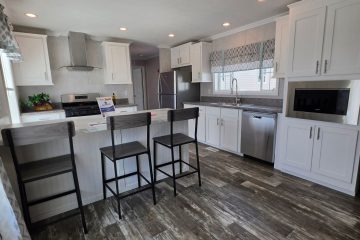
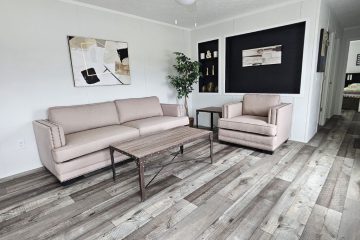
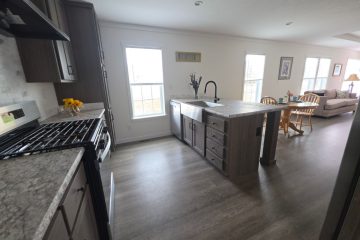
Colony A32093
$131,995
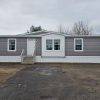
Colony DE3030
$150,995
